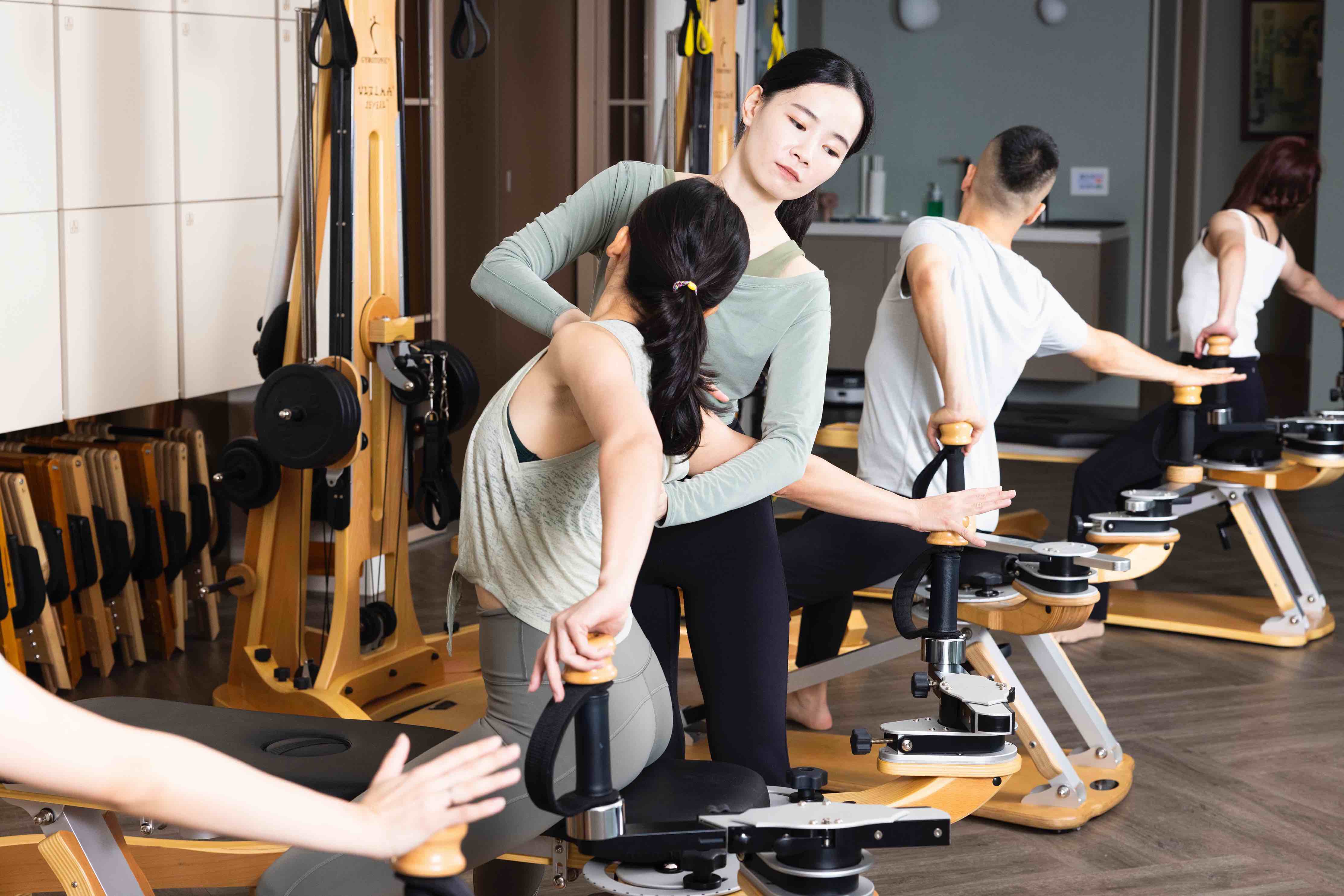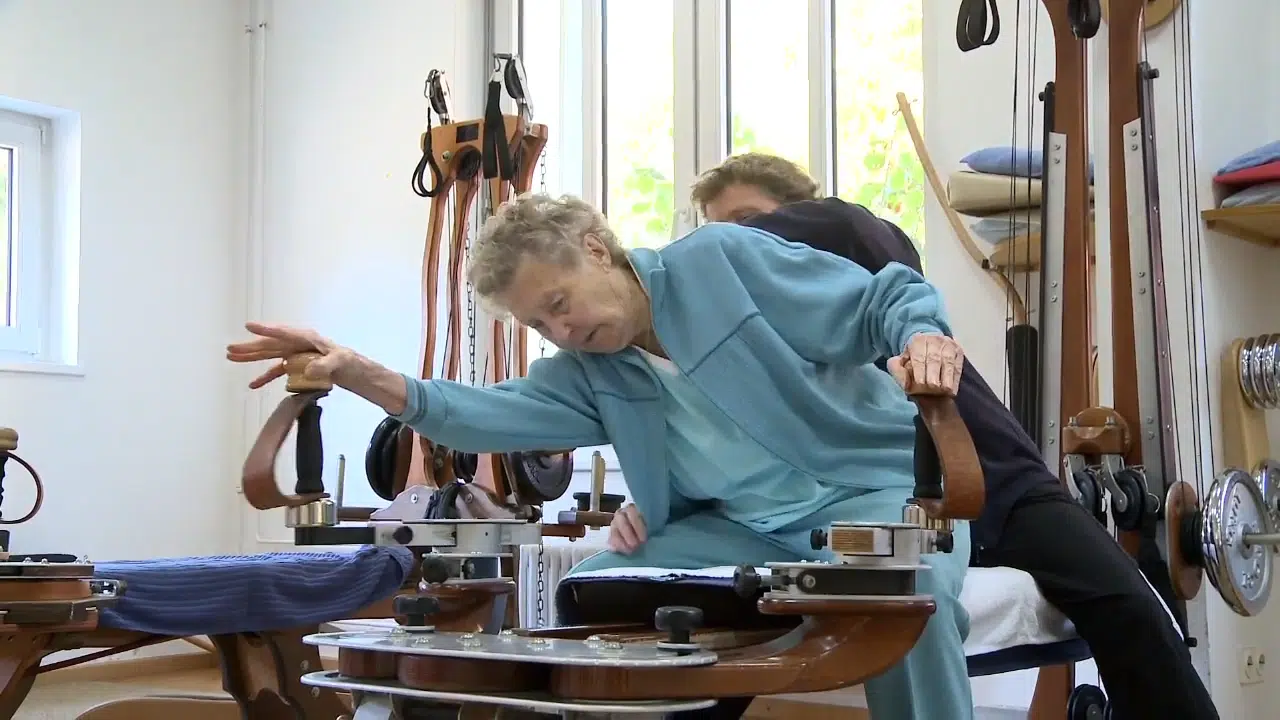
Many people imagine "aging" like this:
As we get older, our joints begin to degenerate, our movements slow down, and our bodies become increasingly unresponsive. This is a natural process, and there's nothing we can do about it.
But modern sports science tells us something very important:The rate of aging is largely determined by your movement habits.
Many people think that aging is simply about increasing age, but what truly makes us feel "old" is the stiffness and pain in our bodies. When fascia loses its elasticity and joints lack lubrication, movements become clumsy, and the quality of life declines. Many people believe that anti-aging requires "faster and more aggressive" approaches, but the opposite is true—the most obvious signs of aging are spinal stiffness, decreased joint mobility, and loss of fascia elasticity. These problems require more refined and conscious slow movements.
Joints don't degenerate because of "overuse," they degenerate because of "misuse" or "lack of use."
What exactly happens to an aging body?
As we age, our bodies undergo several systemic changes:
The fascia loses moisture and elasticity. Fascia is approximately 701 TP3T of water. In youth, fascia is elastic like jelly; as we age and activity levels decrease, it begins to dehydrate, become sticky, and resemble dried-out leather. This is why older adults often experience stiffness—not just in their muscles, but also in the fascia losing its fluidity.
The connection between neuromuscular pathways slows down. The speed at which nerve signals travel from the brain to the muscles decreases with age, and proprioception also deteriorates. This directly affects balance and reaction speed, and is one of the main reasons why older adults are prone to falls.
Reduced synovial fluid increases pressure on cartilage. Articular cartilage itself has no blood supply for nutrition; it must rely on the circulation of synovial fluid to obtain nutrients and metabolize waste. If you sit for long periods or only perform unidirectional movements, the synovial fluid becomes stagnant, and the cartilage will gradually dry out and thin.
Deep muscle groups gradually become unused. The deep stabilization system, including the pelvic floor muscles, multifidus muscles, and transverse abdominis muscles, is often used less and less—the body begins to compensate with superficial muscles, resulting in more tightness and pain.
Why is "moving slowly" the most effective method?
High-impact, high-intensity exercise is effective for young bodies, but for bodies that are already worn down, have fascial adhesions, or have slowed nerve responses, high impact often accelerates degeneration rather than reverses it.
Slow movements have several effects that high-impact exercises cannot achieve:
Fine-tuning of proprioception. Moving slowly allows the brain to continuously receive subtle signals from joints, fascia, and muscles, providing the most refined training for the nervous system. Rapid movements, on the other hand, cause the brain to take shortcuts, relying on inertia rather than perception.
The true nourishment of the fascia. Fascia replenishes moisture through "slow, continuous dynamic pressure"—movements that are too fast or too forceful cannot penetrate deep into the fascia. Slow spirals and waves allow the fascia to fully absorb and release moisture.
The joint moves without compression. Slow movement combined with opposing extension allows the joint to maintain space while moving—conditions that allow cartilage to be nourished rather than worn down.
This is precisely the core design logic of GYROTONIC® and GYROKINESIS®.
How does GYROTONIC® and GYROKINESIS® combat aging?
Replenish your joints with "natural lubricant"
GYROTONIC® and GYROKINESIS®'s unique circular movements are like gently stirring the joint cavity. Through multi-dimensional rotation and guidance, it actively promotes the circulation of synovial fluid—"oiling" the joint and keeping the cartilage tissue elastic and moisturized.
GYROTONIC® and GYROKINESIS®'s dynamic suspension design allows the body to move while releasing its weight. Joint compression disappears, giving the spine, hip joints, and shoulder joints real room to move. Many people with joint degeneration issues have a feeling when they first experience GYROTONIC® and GYROKINESIS®: "My body can be so light." That's the feeling of joint compression being released—not being stretched, but the body actively creating space for itself.
Comprehensive rehydration of the fascia
The gentle, three-dimensional spiral movements nourish the fascia simultaneously across multiple vectors. Combined with bio-pump mechanisms—breathing and rhythmic pelvic movements—this promotes fluid circulation throughout the abdominal cavity and the body. This rehydration effect on the fascia is something static stretching can never achieve.
Recalibration of the neuromuscular system
As we age, balance and flexibility often become more important than muscle mass. GYROTONIC® and GYROKINESIS® emphasizes spherical awareness and coordination of the nervous system—training not only strength but also "awareness." When you can precisely control the rotation of each vertebra, and when your body becomes accustomed to spiral self-adjustment, your body's reflexes will be more sensitive and resilient when you encounter stumbles or collisions in daily life.
Long-term maintenance of deep core
GYROTONIC® and GYROKINESIS®'s Seed Center training and pelvic narrowing techniques continuously activate the deep stabilization system that tends to lose its effectiveness with age—ensuring that the spine has deep support throughout the aging process, rather than relying on superficial muscle compensation.
It has no age limit, which is its most unique feature.
The most captivating aspect of Chanju is its "inclusivity." Whether you're a 20-year-old dancer or a 70-year-old looking to rejuvenate, Chanju can adjust resistance and range of motion according to your physical condition. It doesn't have a harsh impact, but it offers a profound core challenge.
This is an exercise you can do from youth to old age, and the longer you practice, the more precise your control over your body will become. The adjustable resistance of the equipment allows people of different ages and conditions to find the intensity that suits them best within the same system. The low-impact spiral movements make it safe for people with arthritis, osteoporosis, or post-operative rehabilitation needs to practice.
Your joints are more likely than you think.
Aging is real, but the rate of degeneration can be significantly influenced.
Fascia can be rehydrated, nerve connections can be recalibrated, joints can regain space, and the deep core can be reactivated. These things can begin at any age.
"Aging is not inevitable, but a choice. By moving slowly, GYROTONIC® and GYROKINESIS® keeps your joints young, allowing your body to accompany you for a longer and more comfortable life."